
THIS IS HAIRPINS
〜
THIS IS HAIRPINS 〜
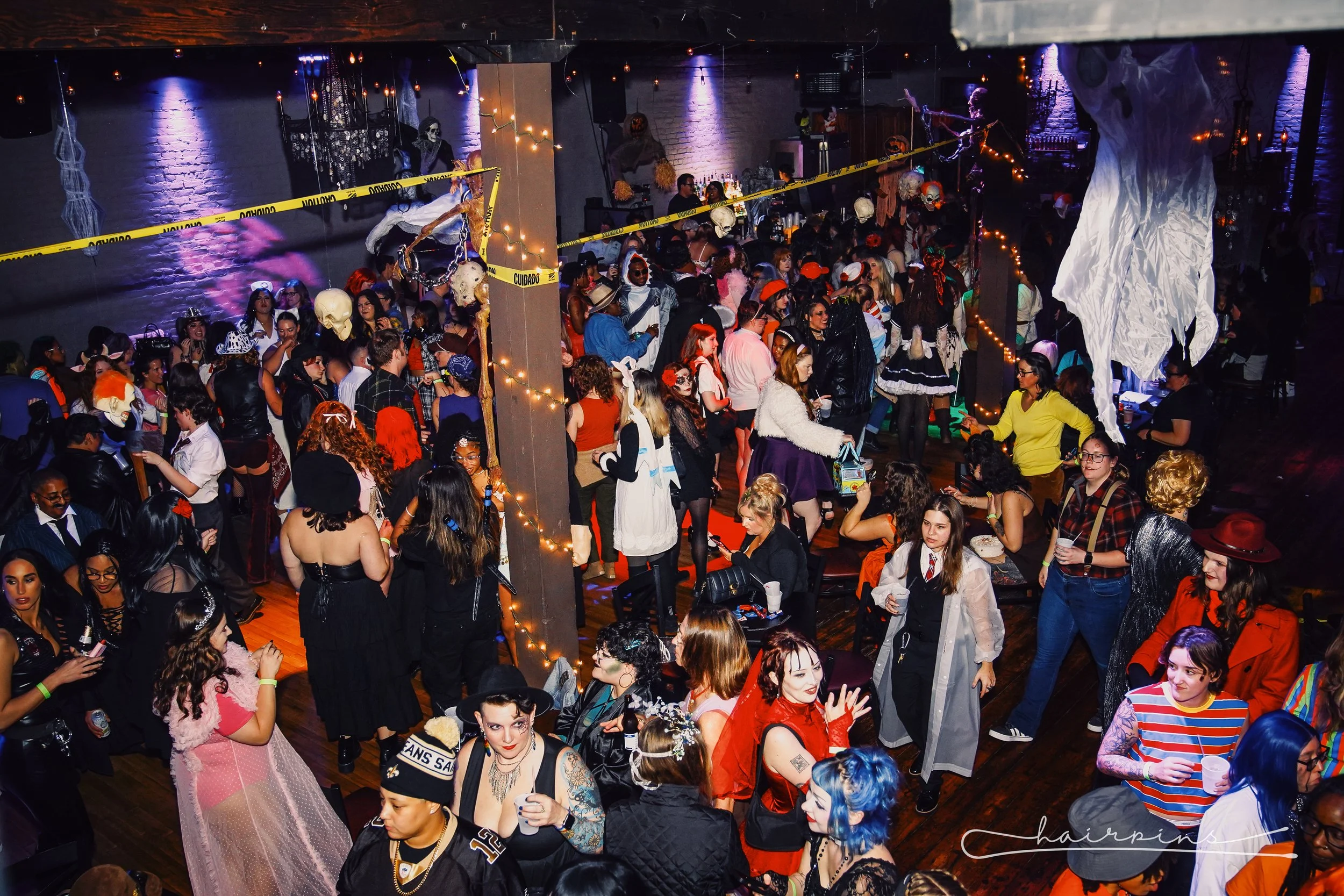
Hairpins is a queer, community-centered events platform for lesbians, queer women, and gender-diverse people. Our work spans nightlife, education, and mutual aid — all designed to foster connection, safety, and queer joy in underserved regions.
The name Hairpins comes from queer history. For decades, hairpins were used as subtle signals among lesbians — a way to recognize each other in a world where visibility wasn’t always safe. At the Stonewall uprising in 1969, that quiet symbol took on a different meaning, often referred to as the hairpin drop heard around the world — a moment when coded existence became shared resistance.
Hairpins carries that history forward by creating intentional spaces for people to find each other now — openly, safely, and on their own terms. In cities where lesbian and queer women’s spaces are rare, gone, or never existed, we build gatherings that make community visible, shared, and real.
WHY THIS SPACE MATTERS
In the 1980s, there were more than 200 lesbian bars in the United States.
Today, there are fewer than 40.
While queer visibility has grown, spaces created specifically for lesbians, queer women, and people of marginalized genders have continued to shrink — especially outside major cities. We started Hairpins in response to that absence — to activate connection, education, and programming in these underserved regions.
OUR MISSION
We center lesbians, queers and gender-diverse individuals in everything we do.
We create spaces in cities where permanent venues are scarce or non-existent.
We reinvest back into the community through mutual aid and programming.
OUR VALUES
Every decision we make is shaped by a clear sense of purpose. Our journey has been anything but ordinary. Through every step, we've focused on staying true to our values and making space for thoughtful, lasting work.
We believe in simple ideas, strong relationships, and lasting impact. What began as a passion project has evolved into something more. We’re proud of where we’ve been and even more excited for what’s ahead.
THE HAIRPINS STORY
Hairpins began with a simple question: where are we supposed to go?
After moving to cities known for their LGBTQ+ communities, Hairpins co-founder Viktoria Capek still struggled to find spaces centered around lesbians and queer women. Even in places often described as “gay meccas,” dedicated lesbian spaces were rare or nonexistent — a reality reflected nationwide, as lesbian bars continued to disappear.
When Viktoria moved to Little Rock with her partner, co-founder Whitney Butler, that absence felt even clearer. Instead of waiting for a space to appear, they decided to build one — not as a permanent bar, but as something flexible, intentional, and rooted in community.
The first Hairpins event took place in July 2024. It sold out.
What started as one gathering quickly became something larger: a reminder that people weren’t missing interest — they were missing space.
MEET THE HAIRPINS WIVES
〜
MEET THE HAIRPINS WIVES 〜
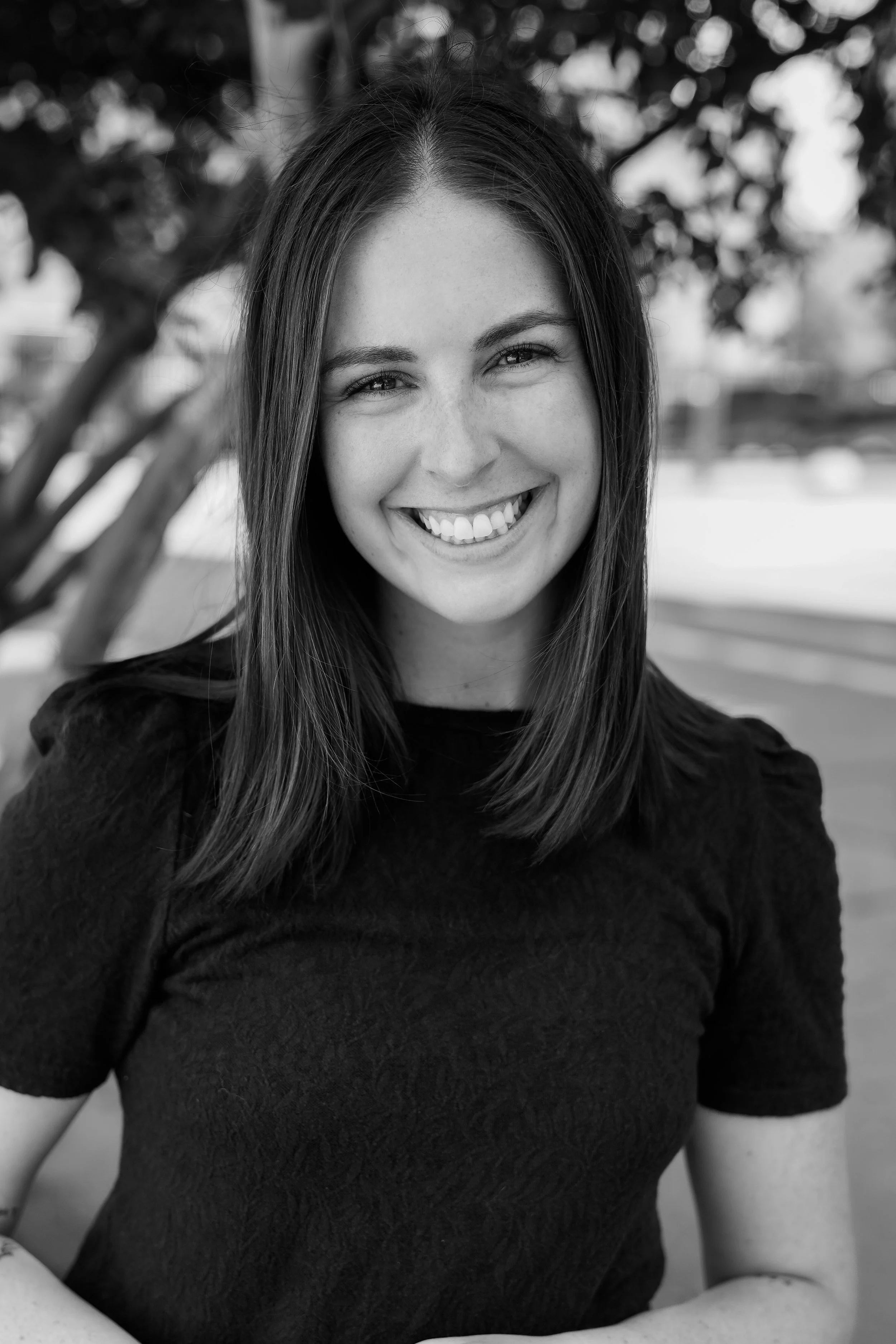
VIKTORIA CAPEK
Viktoria (she/her) is a writer and community organizer originally from Atlanta who now calls Little Rock home. With a background in journalism and storytelling, her work centers queer spaces, community infrastructure, and creating environments where people can find connection and belonging in real life.
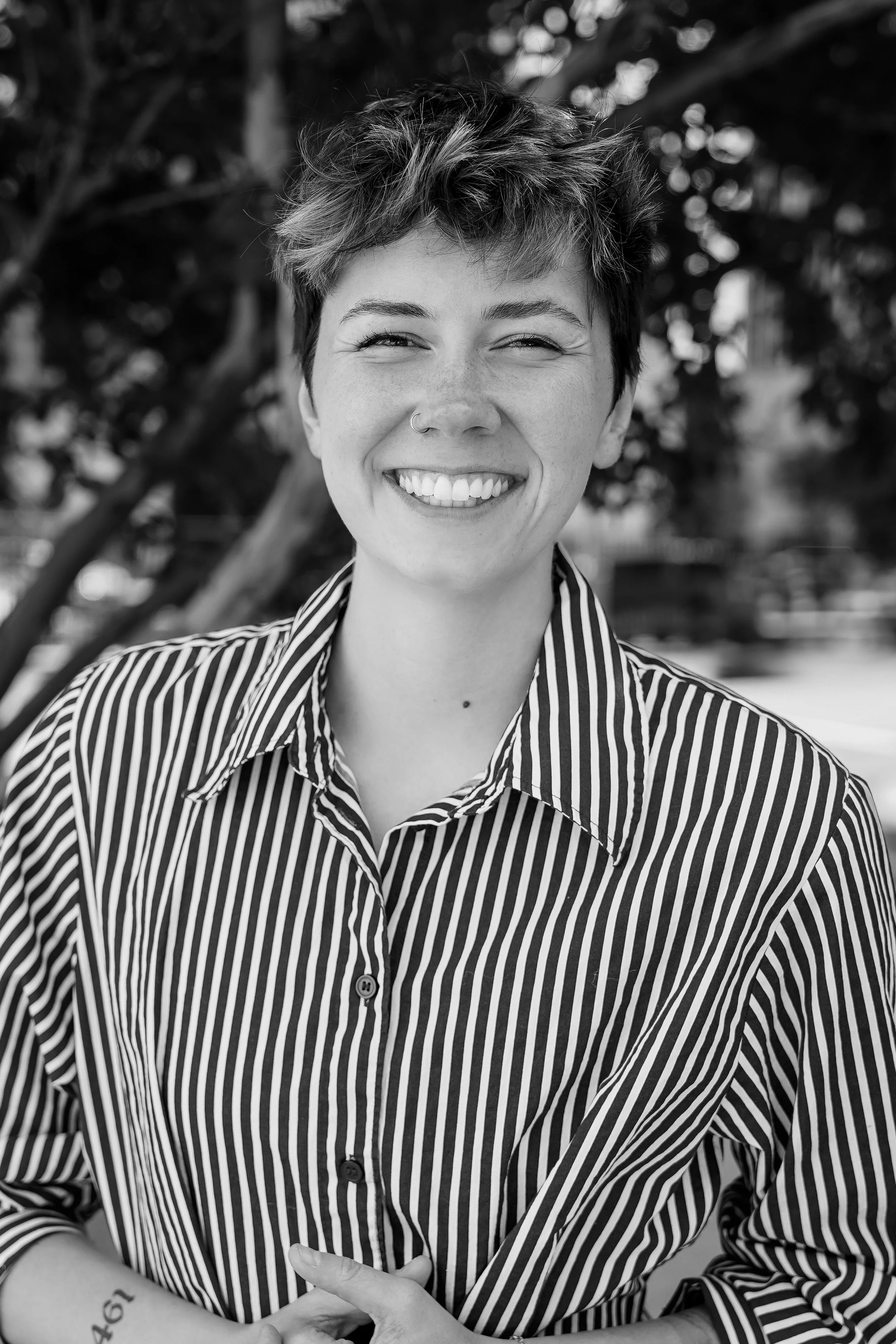
WHITNEY BUTLER
Whitney (she/her) is a photographer, filmmaker, graphic designer and visual storyteller from Arkansas with over a decade of experience in creative direction and brand-building. She shapes the look, feel, and atmosphere of Hairpins — turning ideas into intentional spaces that feel welcoming, thoughtful, and alive.

Monet Goode
FounderWith a vision for building something meaningful, our founder brings a blend of big-picture thinking and hands-on experience. They set the tone for everything we do.
Monet Goode
FounderWith a vision for building something meaningful, our founder brings a blend of big-picture thinking and hands-on experience. They set the tone for everything we do.
MEET THE FOUNDERS
WHITNEY BUTLER
VIKTORIA CAPEK
Viktoria is a writer and community organizer originally from Atlanta who now calls Little Rock home. With a background in journalism and storytelling, her work centers queer spaces, community infrastructure, and creating environments where people can find connection and belonging in real life.
Whitney is a photographer, filmmaker, graphic designer and visual storyteller from Arkansas with over a decade of experience in creative direction and brand-building. She shapes the look, feel, and atmosphere of Hairpins — turning ideas into intentional spaces that feel welcoming, thoughtful, and alive.
MEET THE FOUNDERS
VIKTORIA CAPEK
Viktoria is a writer and community organizer originally from Atlanta who now calls Little Rock home. With a background in journalism and storytelling, her work centers queer spaces, community infrastructure, and creating environments where people can find connection and belonging in real life.
WHITNEY BUTLER
Whitney is a photographer, filmmaker, graphic designer and visual storyteller from Arkansas with over a decade of experience in creative direction and brand-building. She shapes the look, feel, and atmosphere of Hairpins — turning ideas into intentional spaces that feel welcoming, thoughtful, and alive.
WHAT MAKES HAIRPINS DIFFERENT
WHY THIS SPACE MATTERS
WHY THIS SPACE MATTERS
WHY THIS SPACE MATTERS
WHY THIS SPACE MATTERS
In the 1980s, there were more than 200 lesbian bars in the United States.
Today, there are fewer than 40.
While queer visibility has grown, spaces created specifically for lesbians, queer women, and people of marginalized genders have continued to shrink — especially outside major cities. We started Hairpins in response to that absence — to activate connection, education, and programming in these underserved regions.
WHY THIS SPACE MATTERS
In the 1980s, there were more than 200 lesbian bars in the United States. Today, there are fewer than 40.
While queer visibility has grown, spaces created specifically for lesbians, queer women, and people of marginalized genders have continued to shrink — especially outside major cities.
We started Hairpins in response to that absence — to activate connection, education, and programming in these underserved regions.
WHY THIS SPACE MATTERS
In the 1980s, there were more than 200 lesbian bars in the United States. Today, there are fewer than 40.
While queer visibility has grown, spaces created specifically for lesbians, queer women, and people of marginalized genders have continued to shrink — especially outside major cities.
We started Hairpins in response to that absence — to activate connection, education, and programming in these underserved regions.
WHY THIS SPACE MATTERS
In the 1980s, there were more than 200 lesbian bars in the United States. Today, there are fewer than 40. While queer visibility has grown, spaces created specifically for lesbians, queer women, and people of marginalized genders have continued to shrink — especially outside major cities.
We started Hairpins in response to that absence — to activate connection, education, and programming in these underserved regions.

THIS IS HAIRPINS
HAIRPIN DROP HEARD AROUND THE WORLD
〰️
HAIRPIN DROP HEARD AROUND THE WORLD 〰️
Hairpins is a queer, community-centered events platform for lesbians, queer women, and gender-diverse people. Our work spans nightlife, education, and mutual aid — all designed to foster connection, safety, and queer joy in underserved regions.
The name Hairpins comes from queer history. For decades, hairpins were used as subtle signals among lesbians — a way to recognize each other in a world where visibility wasn’t always safe. At the Stonewall uprising in 1969, that quiet symbol took on a different meaning, often referred to as the hairpin drop heard around the world — a moment when coded existence became shared resistance.
Hairpins carries that history forward by creating intentional spaces for people to find each other now — openly, safely, and on their own terms. In cities where lesbian and queer women’s spaces are rare, gone, or never existed, we build gatherings that make community visible, shared, and real.